Heating and cooling systems are essential for maintaining indoor comfort throughout the year. For homeowners dealing with hvac in wichita, seasonal temperature changes make system reliability even more important. Over time, every HVAC system reaches a point where repairs are no longer sufficient, and replacement becomes a practical option.
This article explains when it is time to consider new hvac installation services, what factors to evaluate, and how professional installation contributes to long-term efficiency. It also provides insights into how Action Heating and Cooling, LLC approaches residential HVAC needs with a structured and practical process.
Understanding HVAC Systems in Wichita Homes
Wichita experiences a wide range of weather conditions, from hot summers to cold winters. This climate places continuous demand on home heating and cooling systems.
A typical residential HVAC system includes:
- Heating units such as furnaces or heat pumps
- Air conditioning systems
- Ventilation components for airflow and air quality
- Thermostats and control systems
Because these components work together year-round, wear and tear is inevitable. Understanding how systems perform in this environment helps homeowners recognize when replacement is necessary.
What Are HVAC Installation Services
HVAC installation services involve the complete setup of a heating and cooling system in a home. This process includes:
System Assessment
Evaluating the size of the home, insulation levels, and airflow needs.
Equipment Selection
Choosing systems that match the home’s requirements and energy efficiency goals.
Installation Process
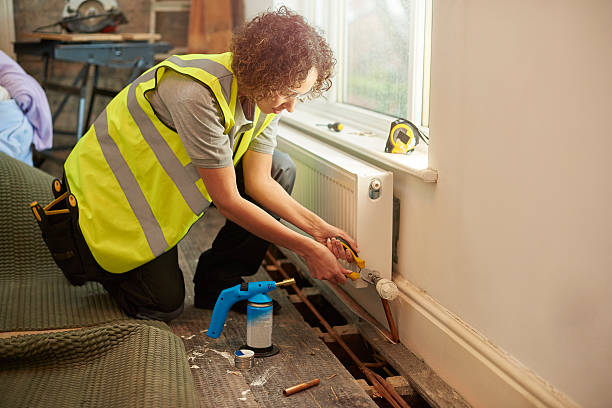
Placing and connecting all components, including ductwork and electrical systems.
Testing and Calibration
Ensuring the system operates correctly and efficiently after installation.
Professional hvac installation services ensure that the system performs as intended and complies with safety standards.
Key Signs It’s Time for a New HVAC System
Recognizing early warning signs can help homeowners avoid unexpected breakdowns.
Frequent Repairs
If repairs become more frequent and costly, replacing the system may be more economical.
Increasing Energy Bills
Older systems often lose efficiency, leading to higher utility costs.
Uneven Temperature Distribution
Rooms that are too hot or too cold may indicate system inefficiency.
System Age
Most HVAC systems last between 10 to 15 years. Beyond this, performance declines.
Strange Noises or Odors
Unusual sounds or smells can signal internal issues.
Poor Air Quality
An outdated system may not effectively filter air, affecting indoor comfort.
For homeowners managing hvac in wichita, these signs are particularly important due to seasonal extremes.
Repair vs Replacement: How to Decide
Deciding whether to repair or replace an HVAC system depends on several factors.
Cost of Repairs
If repair costs approach half the price of a new system, replacement is often more practical.
System Efficiency
New systems are designed to consume less energy while providing better performance.
Frequency of Breakdowns
Repeated failures indicate declining system reliability.
Long-Term Savings
Although installation has a higher upfront cost, it often reduces long-term expenses.
Action Heating and Cooling, LLC helps homeowners evaluate these factors to make informed decisions.
Types of HVAC Systems Available
Choosing the right system depends on the home’s layout and energy needs.
Central Air Conditioning Systems
Common in many homes, providing consistent cooling throughout.
Heat Pumps
Efficient systems that provide both heating and cooling.
Ductless Mini-Split Systems
Ideal for homes without existing ductwork.
Furnaces
Reliable heating systems commonly used in colder months.
Each option has advantages depending on the home’s requirements and budget.
Cost Factors for HVAC Installation
Several factors influence the cost of hvac installation services:
- Size of the home
- Type of system selected
- Complexity of installation
- Condition of existing ductwork
- Energy efficiency ratings
Understanding these factors helps homeowners plan their investment effectively.
Repair vs New Installation
| Factor | Repair Existing System | New HVAC Installation |
|---|---|---|
| Initial Cost | Lower | Higher |
| Long-Term Cost | Can increase over time | More predictable |
| Energy Efficiency | Lower | Higher |
| Reliability | Decreases with age | Improved performance |
| Maintenance Needs | Frequent | Less frequent |
This comparison shows why many homeowners eventually choose replacement over repeated repairs.
Benefits of Installing a New HVAC System
Investing in a new system offers several advantages:
Improved Energy Efficiency
Modern systems are designed to reduce energy consumption.
Enhanced Comfort
Better temperature control ensures consistent indoor conditions.
Reduced Repair Costs
New systems require fewer repairs in the early years.
Better Air Quality
Advanced filtration improves indoor air conditions.
Increased Home Value
Updated systems can make a property more appealing to buyers.
Action Heating and Cooling, LLC focuses on delivering these benefits through careful system selection and installation.
The Importance of Professional Installation
Proper installation is critical to system performance. Even high-quality equipment can underperform if installed incorrectly.
Accurate Sizing
Ensures the system matches the home’s requirements.
Proper Connections
Electrical and ductwork connections must meet safety standards.
Efficiency Optimization
Correct installation improves energy efficiency.
Compliance with Regulations
Professional installation ensures adherence to local codes.
Action Heating and Cooling, LLC follows a structured process to ensure installations meet these standards.
How Action Heating and Cooling, LLC Handles Installation
Action Heating and Cooling, LLC approaches HVAC installation with a focus on consistency and clarity.
Initial Consultation
Assessing the home’s needs and discussing available options.
System Recommendation
Providing suitable solutions based on efficiency and budget.
Installation Process
Carrying out installation with attention to detail.
Final Testing
Ensuring the system operates correctly before completion.
Ongoing Support
Providing guidance for maintenance and system care.
Tips for Extending HVAC Lifespan
Even after installing a new system, proper care is essential.
Regular Maintenance
Scheduled servicing helps prevent major issues.
Filter Replacement
Changing filters improves airflow and efficiency.
Thermostat Management
Using programmable thermostats can reduce system strain.
Cleaning and Inspection
Keeping components clean supports optimal performance.
These practices help maximize the lifespan of home heating and cooling systems.
Conclusion
Understanding when to replace an HVAC system is essential for maintaining comfort and efficiency. For homeowners dealing with hvac in wichita, recognizing signs such as rising energy costs, frequent repairs, and inconsistent temperatures can help guide the decision.
HVAC installation services provide long-term benefits when performed correctly, including improved efficiency, better air quality, and reduced maintenance needs. Action Heating and Cooling, LLC approaches installation with a structured process that focuses on reliability and performance.
If your current system shows signs of decline or no longer meets your needs, it may be time to explore replacement options. For more information or assistance with your HVAC requirements, contact us through the official website to learn more about available services.
FAQ Section
How do I know if my HVAC system needs replacement?
Signs include frequent repairs, rising energy bills, uneven temperatures, and system age beyond 10 to 15 years.
What are HVAC installation services?
They involve assessing, selecting, installing, and testing heating and cooling systems in residential properties.
How long does HVAC installation take?
Most installations are completed within one to two days, depending on system complexity.
Is it better to repair or replace an HVAC system?
If repair costs are high and the system is inefficient, replacement is often more cost-effective.
Does a new HVAC system improve energy efficiency?
Yes, modern systems are designed to use less energy while providing better performance.
How can I maintain my new HVAC system?
Regular maintenance, filter changes, and proper usage help extend system lifespan and efficiency.