
Once the furnace starts running every day, a lot of Wichita homes feel different. Not just colder. Drier.
You walk across the carpet and get a shock off the door handle. Your skin and sinuses feel tight. Hardwood floors or trim start to show little gaps. The thermostat is at a number that used to feel fine, but the house still feels chilly.
That is often dry air, not a broken furnace. A whole-home humidifier can help, but only if the humidity is set and maintained the right way.
Why Wichita homes get so dry in winter
Cold air holds less moisture than warm air. The EPA makes that same point when it explains why moisture condenses on cold windows: as the temperature drops, the air can hold less water.
Your furnace takes that outdoor air and heats it without adding moisture back, so the relative humidity inside falls. A typical November day in Wichita can still feel fairly humid outdoors. The dryness shows up inside after the heat has been on.
What humidity should you aim for?
The EPA recommends keeping indoor humidity between 30% and 50% when you can. That range is about comfort and about moisture control, including mold. In winter, stay toward the lower end. If humidity is too high while it is very cold outside, water collects on windows and other cold surfaces, which can damage walls and give mold a place to start.
The EPA also shares these recommended maximums for cold weather:
- About 35% when it is 20°F outside
- About 30% when it is 10°F outside
- About 25% when it is 0°F outside
A typical Wichita January night is around 22°F, based on the 1991–2020 climate normals at Eisenhower National Airport. On nights like that, about 35% is a sensible ceiling. On a rare single-digit or below-zero night, turn the humidifier down.
Do not guess. An inexpensive humidity meter, sometimes called a hygrometer, will tell you what the air is actually doing. Check a living area and a bedroom, not just the hallway by the thermostat. If you see water on the inside of your windows, turn the humidifier down or off until the glass dries.
Signs your indoor air is too dry
These are the clues we hear most often once heating season starts:
- Static shocks from door handles, blankets, or the dog
- Dry skin, a scratchy throat, or dry sinuses
- Small gaps in hardwood floors, trim, or furniture
- The house feels cooler than the thermostat number would suggest
Dry air can make you feel colder because moisture evaporates from your skin more quickly. Comfortable humidity will not replace a furnace that is not heating, but it can make a working heating system feel more pleasant. If the house is truly not getting warm, start with our guide to high heating bills in Wichita, or give us a call.
Portable humidifiers versus a whole-home unit
A portable humidifier can help one room, and it is a reasonable first step while you measure the humidity. You also have to fill it and clean it. If it sits with stale water, it can become a source of biological pollutants. The EPA warns about that, and it says to turn a humidifier off if you notice moisture on windows.
A whole-home humidifier mounts on your furnace or ductwork and adds moisture as the heating system runs. One humidistat controls the house. The common types are bypass units, which use furnace airflow across a water panel; fan-powered units, which have their own fan; and steam units, which boil water and add vapor to the airstream. The right type depends on your furnace, your ducts, and how dry the house gets. We would rather look at the installation than promise that one style is best for every Wichita home.
What installation and upkeep actually involve
Most whole-home humidifiers need a water supply, a humidistat, a connection to the duct system, and, in many cases, a drain. That is not a weekend DIY job for most homeowners. The water panel or pad also has to be replaced on a regular schedule. Mineral buildup is common here, and a neglected unit can add dirty moisture to the air.
If you already have a humidifier, ask us to inspect it during fall furnace maintenance. If you do not, we can measure the humidity and tell you whether a whole-home unit is a good fit.
The EPA also cautions that humidifiers are not recommended in buildings that lack a proper vapor barrier, because the extra moisture can damage the structure. In an older home, we will look at windows, insulation, and any signs of past moisture problems before we add humidity.
Buy a humidity meter and write down the readings for a couple of days. Change the furnace filter if it is dirty, because a clogged filter hurts airflow and makes the whole system work worse. If you already run a portable unit, clean it as the manufacturer directs, and turn it down or off if the windows start to sweat.
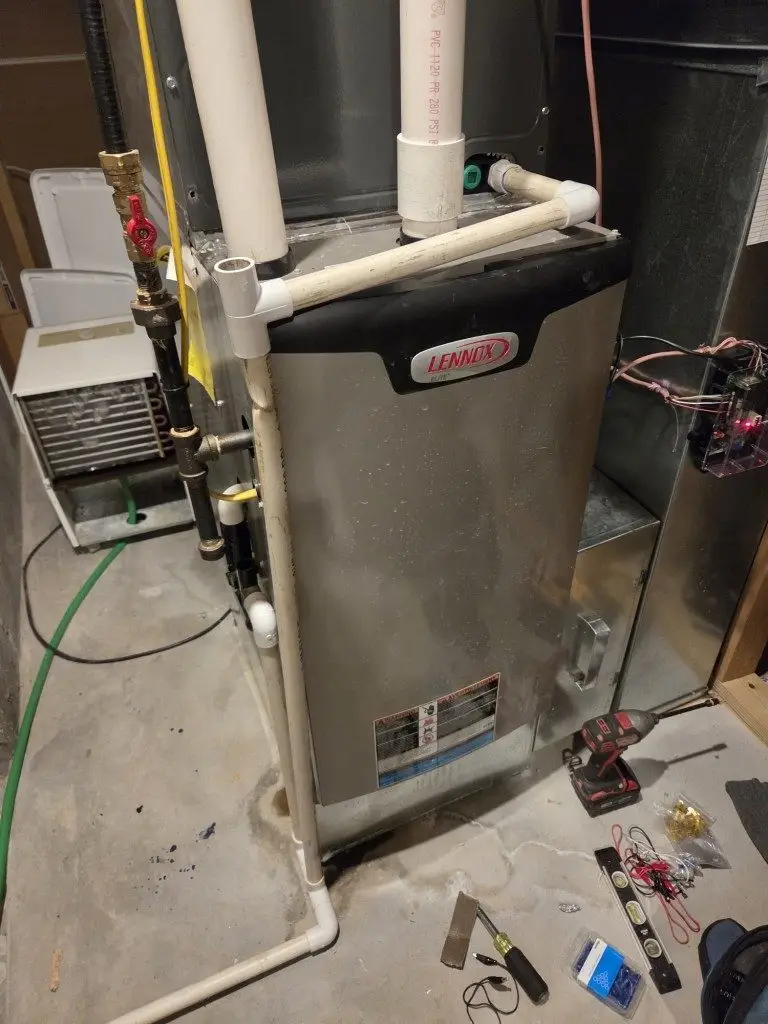
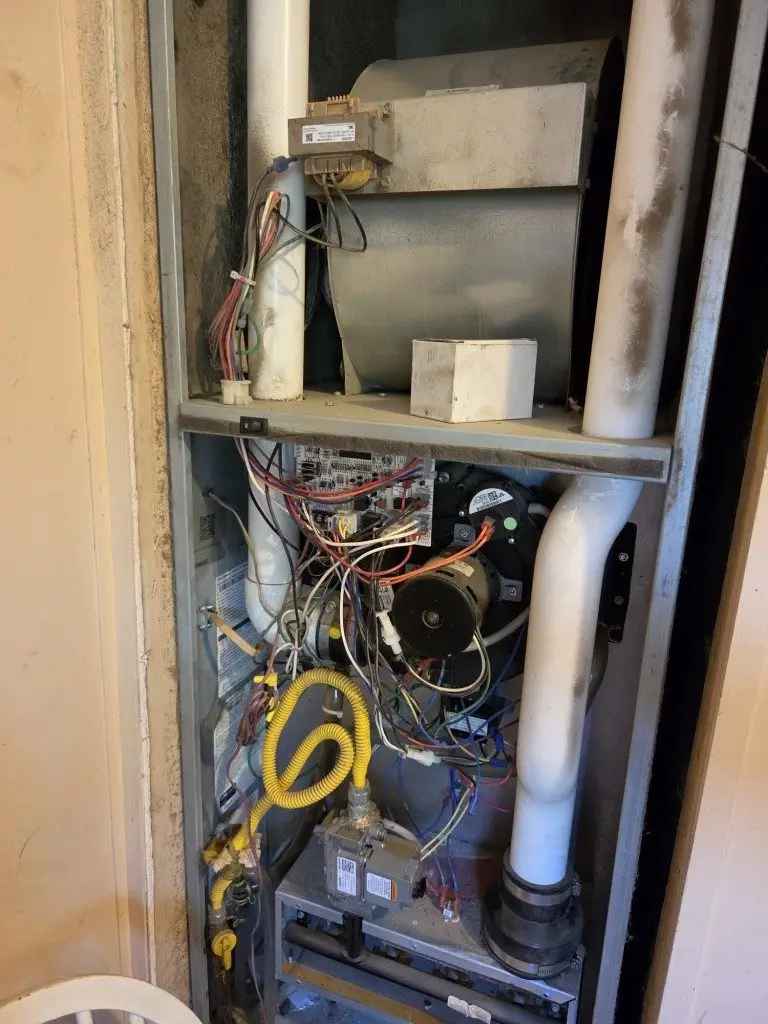
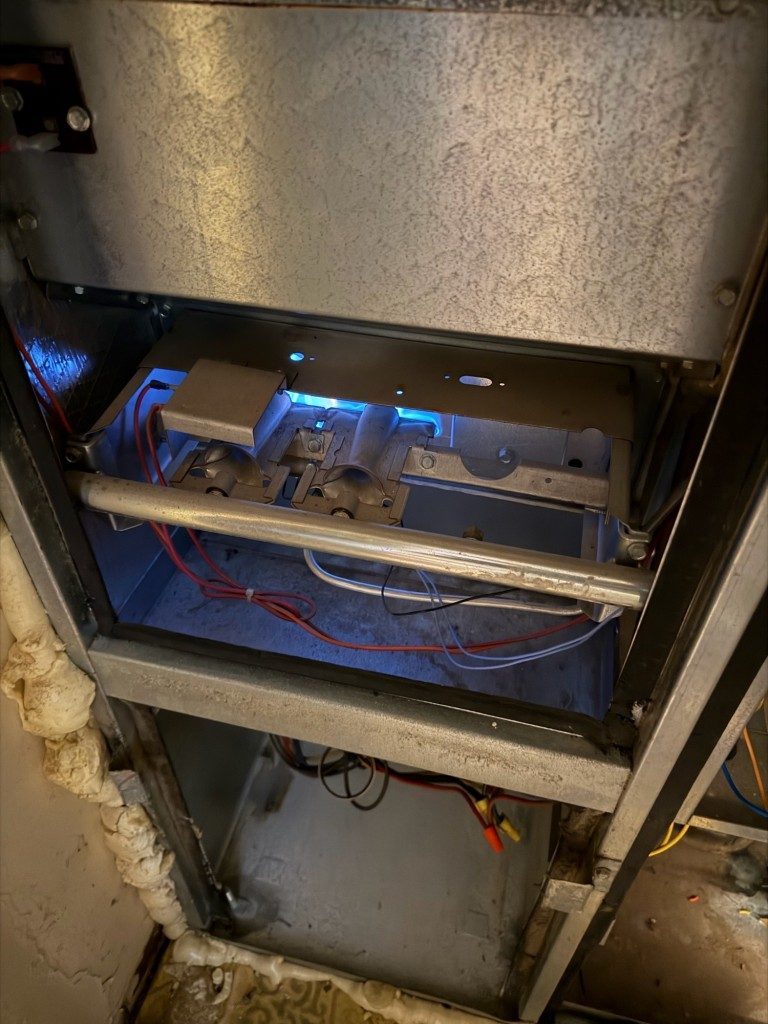
This fall our techs have been on furnaces all over the area, not just inside the city. In early November that included jobs in Derby, El Dorado, and north Wichita, and in Valley Center, Maize, Andover, Haysville, and Winfield. Those are the same forced-air systems a whole-home humidifier would mount to.
Frequently Asked Questions
Can I just run a portable humidifier in the bedroom?
You can, and it may make that room more comfortable. It will not even out humidity through the whole house, and it has to be filled and cleaned often. For steadier humidity in every room, a whole-home unit tied to the furnace is the more complete answer.
Will a humidifier make my windows sweat or cause mold?
It can, if the setting is too high for the weather outside. Use a humidity meter, stay in the EPA’s 30% to 50% range when you can, and use the lower end on the coldest nights. If you see condensation, turn the unit down.
Does a whole-home humidifier work with my existing furnace?
In most Wichita houses with a forced-air furnace and ducts, yes. We still need to confirm that the furnace, the ductwork, and the water and drain connections can support the unit. We will tell you if the house is not a good candidate.
Ready for more comfortable winter air?
If your house feels dry, we can measure the humidity and talk through the options, including a whole-home humidifier if it is a good fit. Action! Heating / Cooling Plumbing is at 3015 George Washington Blvd in Wichita, and we are available 24/7.
Call us at (316) 553-0319, or reach us through our contact page. You can also start at our homepage.